Desk Clocks with a Compass: Comparing Combined and Simple Designs
Understand decorative compass backs, separate working dials and simple clock faces before choosing a combined desk object.
Choose a desk clock by readability, viewing angle, case form and its verified movement, with clear distinctions between decorative and working compass details.
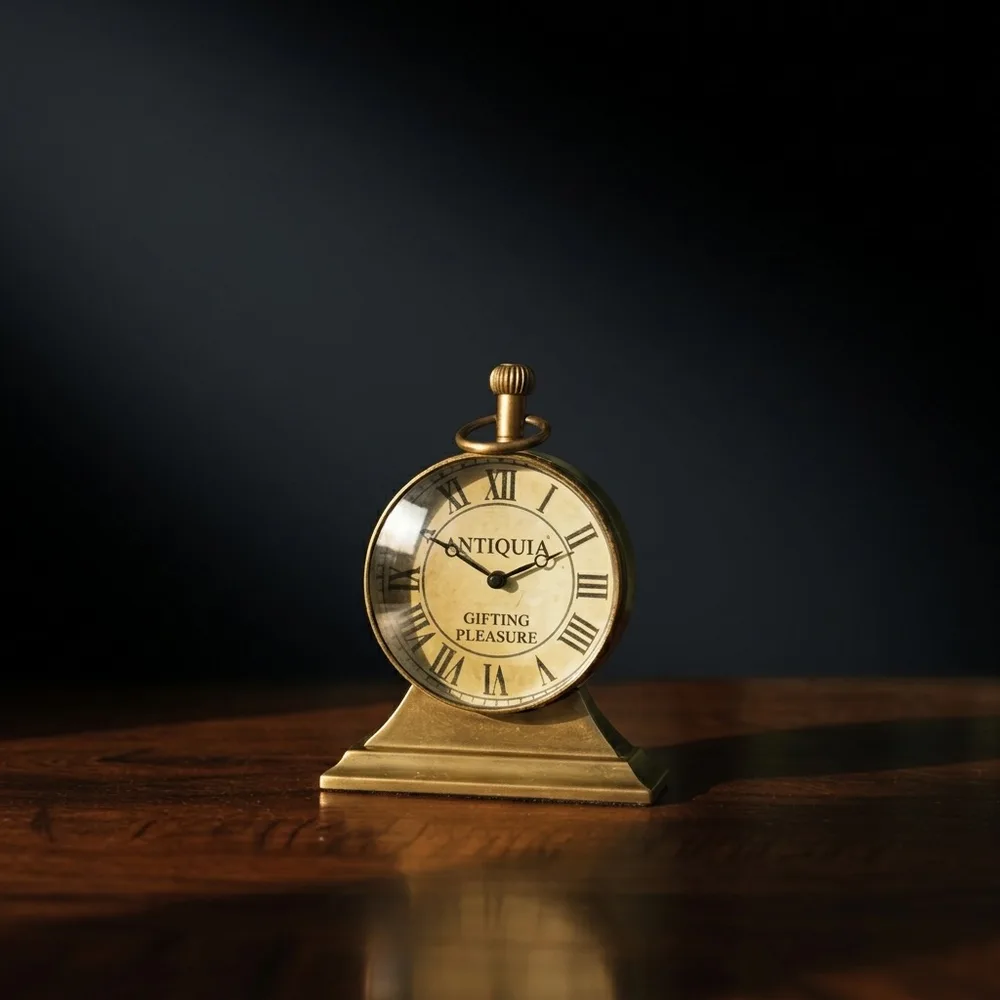
A small clock has two jobs in a room: it shows the time and contributes an object to the composition. These jobs need not compete. A clear dial can sit inside a sculptural case, and a simple case can carry a striking face. The useful starting point is the place where the clock will stand and the person who will read it.
Antiqula’s table-clock records describe several forms, including flat-faced Magnus designs, rounded Epoch pieces and tripod presentations. Some include compass imagery. That imagery needs careful reading: a decorative compass dial on the reverse is different from a working magnetic compass. A clock can be a successful study accessory without being a navigation instrument.
Place a temporary card where the clock would sit, then look at it from the normal seat or doorway. Is the face square to the viewer, or will it be seen at an angle? A clock pushed against a rear shelf may be easy to admire and difficult to read. A reflective glass face can also disappear behind glare from a window.
Choose the dial’s apparent size from that position rather than from a close-up photograph. Overall case height and readable face diameter are different measurements. A model described as three inches high does not necessarily have a three-inch dial. Ask for face dimensions when legibility at a distance is important.
A round case, ball-shaped body and tripod stand create different relationships with furniture. The first may sit close to books; a spherical body may need a supporting cradle; a tripod spreads its contact points over a larger area. Measure the usable depth of the shelf, including space needed to set or service the clock.
For a desk, keep the working area in mind. A distinctive shape should not interrupt a notebook, lamp switch or charging cable. For an open shelf, view the clock from both sides if the reverse will be visible. A reverse decorative dial can matter visually even when it has no practical function.
| Form | What it contributes | What to inspect |
|---|---|---|
| Flat-faced desk clock | A direct, straightforward time display | Face size and glare from normal viewing position |
| Ball-shaped clock | A compact sculptural outline | How the body rests and how controls are accessed |
| Tripod clock | A lighter, elevated presentation | Stand footprint and confirmed adjustment method |
| Clock with compass detail | Navigation-themed visual character | Whether the detail is decorative or functional |
Magnus 3.0, catalogue ID magnus-3-0, is listed with quartz movement. The round-glass magnus-5-7 record also lists quartz. These are model facts, not a reason to assume that every timepiece in the wider catalogue uses the same mechanism. Pocket watches, for example, include different movement types.
For the selected clock, confirm the power arrangement, battery specification where applicable, access to controls and included instructions. Do not guess a battery type from case size. Ask about audible ticking if the clock will sit in a quiet bedroom or beside someone working. A movement label alone does not establish an independently measured noise level or accuracy tolerance.
The Magnus 3.0 product name mentions a compass dial back, while the description explicitly identifies that reverse dial as decorative. Use the description and specifications together rather than lifting the name into a claim of two working instruments. This distinction is especially useful for retailers training staff.
If another model explicitly includes a working compass, ask how its dial is viewed, whether it is separate from the clock face and what use is intended. A combined object can require a choice of orientation: turning it toward the compass may turn the time display away. Decide which side should be visible in the final setting.
Roman numerals, railway-style lettering and plain faces suggest different visual rhythms. You do not need to match every other object in the room, but the clock should have a clear place among them. On a crowded shelf, an uncluttered dial can give the eye a useful pause. On an otherwise spare desk, an unusual body shape may carry the interest.
Keep finish descriptions separate from age. Antique finish and vintage styling describe the appearance of a contemporary product. Dates or place names printed on a dial do not prove that the clock was made in that year or location. A precise retail caption can name the design inspiration without inventing provenance.
A clock needs access after it has been placed. Find out where the time-setting control and power compartment are, and whether the object must be removed from its stand to reach them. Avoid a display in which routine adjustment requires moving several delicate neighbouring pieces.
For brass surfaces, ask for care instructions specific to the finish. The Canadian Conservation Institute distinguishes cleaning from abrasive polishing; polishing can remove surface material and alter detail. Do not recommend bright polishing for a deliberately aged finish. Keep cleaners away from glass seals and the mechanism unless the supplier’s instructions explicitly allow the treatment.
A desk clock can work as a personal milestone gift or a corporate desk accessory, but the packaging should be confirmed for the exact reference. Ask how the case, glass and stand are protected in transit. A decorative presentation box is not automatically adequate shipping protection.
If an inscription is requested, establish the available surface, orientation and proof process before promising it. A text position that looks attractive on the back may face away from the recipient in normal use. Confirm current order quantities, timing and terms separately rather than carrying general promotional claims into the article or gifting brief.
Record the product ID, face size, overall dimensions, movement, finish, compass status and included presentation. Give each selected clock a clear role: compact everyday display, sculptural shelf object or confirmed combined design. Compare the sample from the intended reading position and check the access needed for adjustment.
The most useful table clock is the one that remains readable and comfortable in its actual setting. Let the case form add character, and describe its mechanism and decorative details with the same care you give its appearance.
Catalogue reference: Magnus 3.0. Listed material: Solid Brass.
Check the current product page and ask for model-specific dimensions, packaging and suitability before ordering.
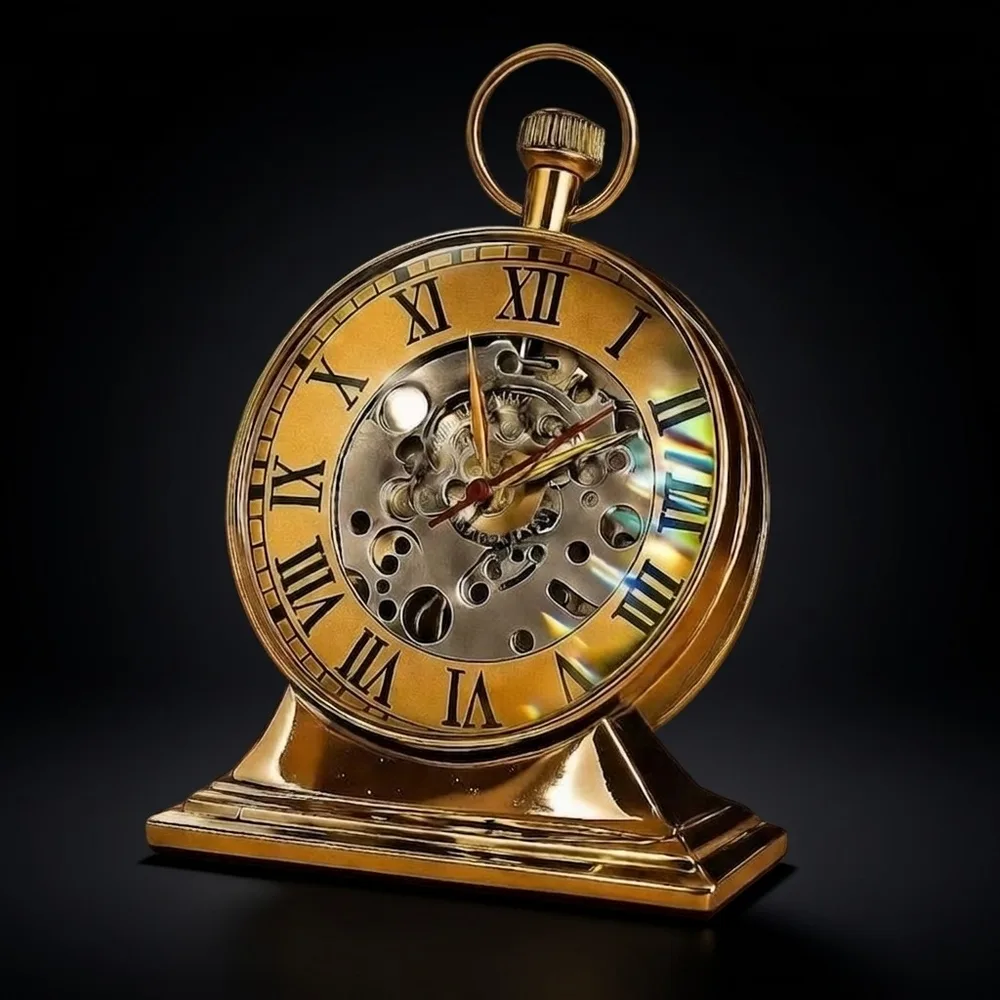
Catalogue reference: Magnus 3.1. Listed material: Solid Brass.
Check the current product page and ask for model-specific dimensions, packaging and suitability before ordering.
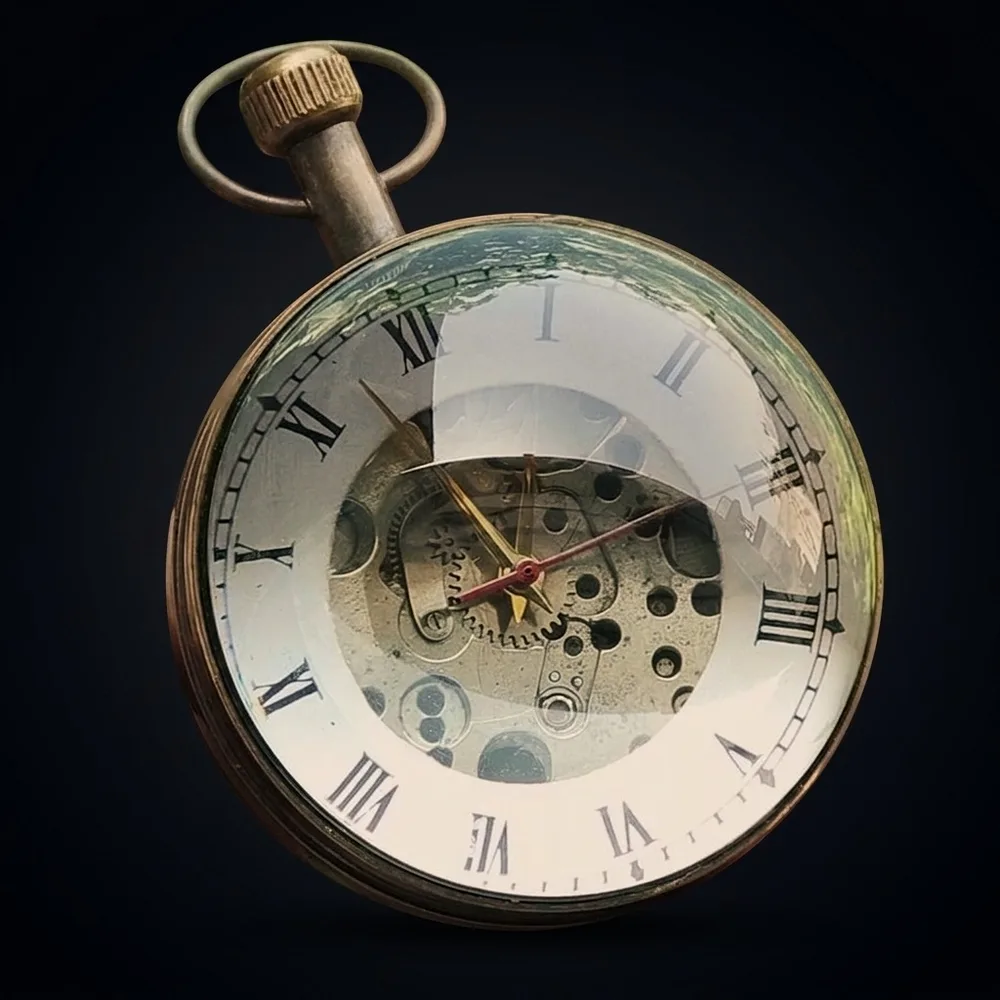
Catalogue reference: Magnus 3.3. Listed material: Solid Brass.
Check the current product page and ask for model-specific dimensions, packaging and suitability before ordering.
Explore Antiqula’s table clocks catalogue
Catalogue examples were checked against Antiqula’s product records on 2026-10-02. Research sources provide context; they do not certify the performance of individual catalogue products.